Somebody sold you a "30-year roof," and now your neighbor is replacing theirs at year 19. So what's the real number? The honest answer: it depends on what the roof is made of, how well it was installed, and what the weather does to it. In Greater Cincinnati, that third one does more damage than most homeowners realize. Here's what to actually expect, and how to tell if your roof is aging faster than it should.
The Short Answer, by Material
Here are the typical lifespans manufacturers publish:
- 3-tab asphalt shingles: 15 to 20 years
- Architectural asphalt shingles: 20 to 30 years
- Metal roofing: 40 to 70 years
- Slate and tile: 50 years or more
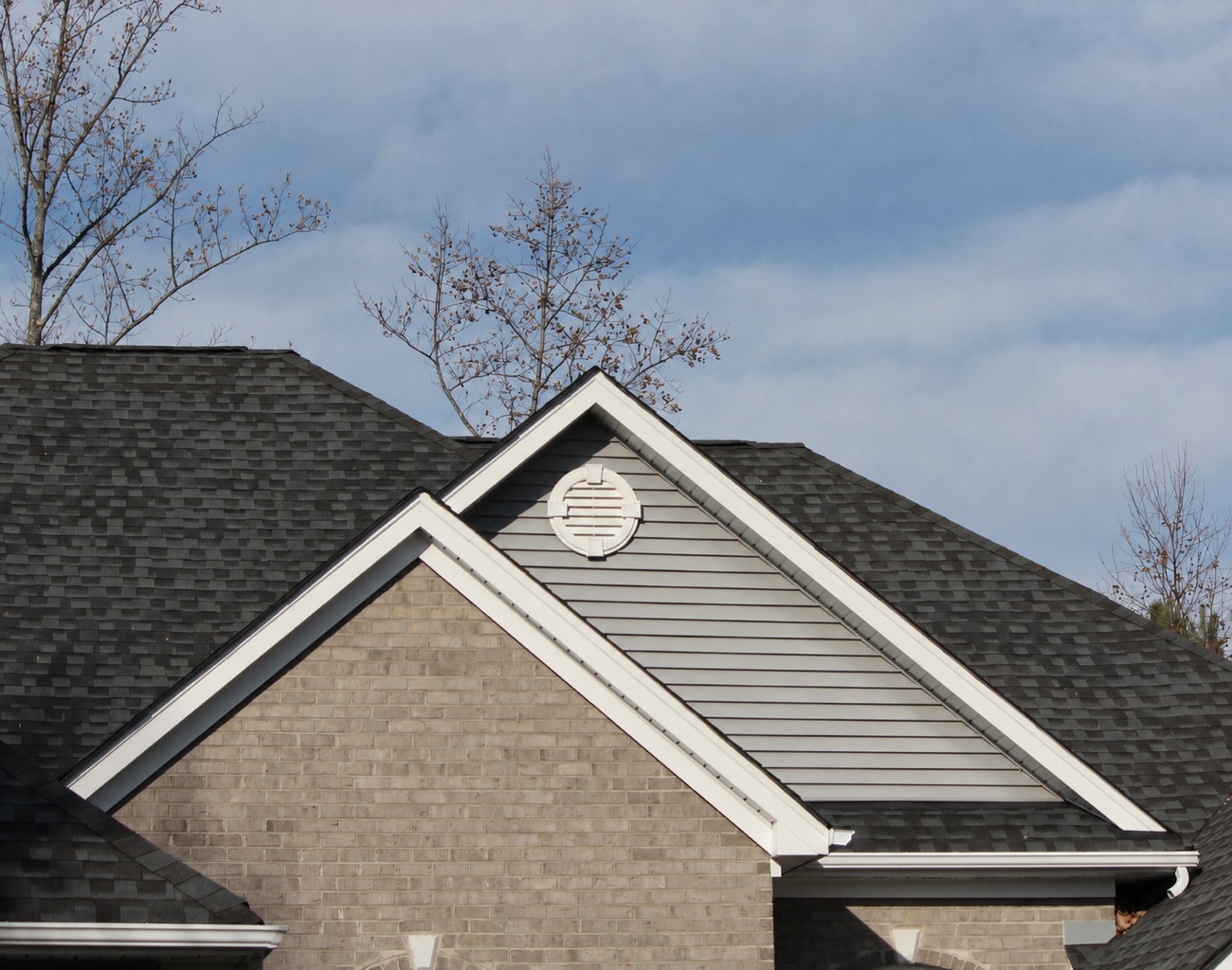
Most homes around Fairfield, West Chester, and Mason have architectural asphalt shingles, so 20 to 30 years is the range that matters for the majority of our neighbors. But those numbers assume a clean install and mild weather. Miss on either one and the real lifespan drops fast. We've torn off "30-year" roofs that failed at 16, and we've inspected 25-year-old roofs that had a few good years left. The difference almost always comes down to the two things we cover next.
Why Cincinnati Weather Shortens Roof Life
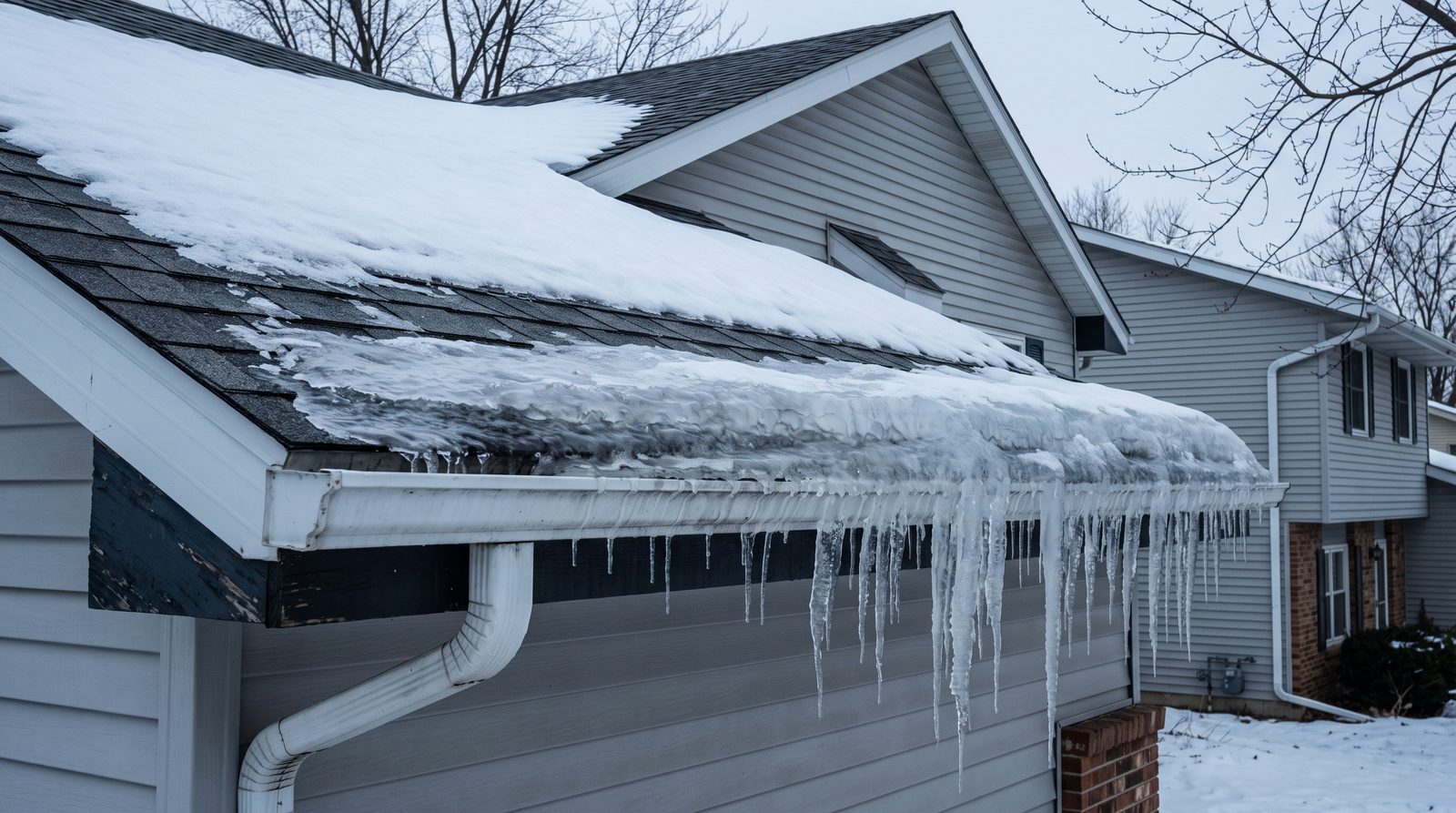
Southwest Ohio winters hover right around freezing, and that's the worst possible temperature for a roof. Water works into tiny gaps between and beneath shingles during the day, freezes overnight, and expands. Then it melts and does it again. A single Cincinnati winter can put a roof through dozens of these freeze-thaw cycles, and each one pries the roof apart a little more.
Summer flips the problem. When it's 90 degrees and humid in July, the attic under your shingles can hit 130 degrees or more. Shingles get cooked from both sides, which dries out the asphalt and makes them brittle.
Then spring arrives with wind and hail. The storms that roll through Butler and Hamilton counties in April and May are the single most common reason we get called out for roof damage. Add roughly 40 inches of rain in a typical year, and you can see why a roof rated for 30 years in a lab often taps out in the low 20s here.
None of this means your roof is doomed. It means the published lifespan is a ceiling, not a promise, and the local weather is always pushing against it.
Five Signs Your Roof Is Wearing Out Early
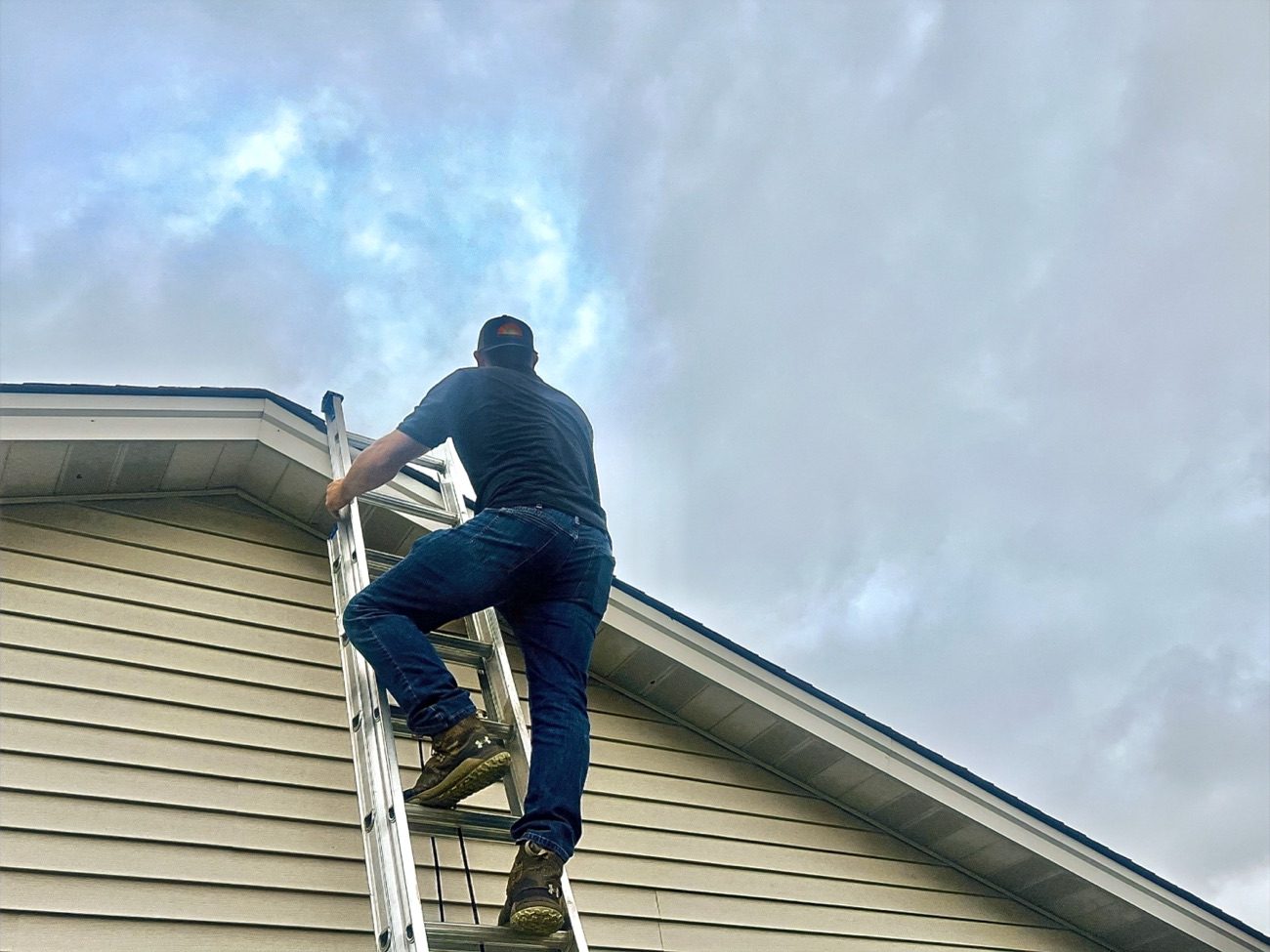
You don't need to climb a ladder to spot most of these.
- Granules in your gutters. If you find sandy sludge when you clean your gutters, that's the protective coating washing off your shingles. Some shedding is normal on a new roof. Heavy shedding on an older roof means the shingles are losing their armor.
- Curling or cupped shingle edges. Stand across the street and look at the roofline in the late afternoon, when shadows make it obvious. Edges that curl up or cup down mean the shingles have dried out.
- Missing or cracked shingles after storms. One or two blown-off shingles is a repair. A scattering across the whole roof after every storm means the adhesive has failed roof-wide.
- Stains on ceilings or attic wood. Brown rings on a ceiling or dark streaks on your attic rafters mean water is already getting in. At that point you're not deciding whether to act. You're finding out how much damage has been done below.
- Your whole street is re-roofing. If your neighborhood was built in the same few years by the same builder, your roof is the same age as everyone else's, and it was probably built with the same materials. When the dumpsters start showing up on your street, it's time to at least get an inspection.
How to Get the Full Life Out of Your Next Roof
Installation quality is half of a roof's lifespan. Maybe more. Two crews can install the exact same shingle, and one roof will outlast the other by a decade. Nailing pattern, flashing work, underlayment, and ridge details are where cheap bids cut corners, and none of it shows from the driveway. It's why we put our crews through CertainTeed's ShingleMaster program. That's the manufacturer's top installer credential, held by only a small percentage of roofing companies, and it's the reason we can back our best roofs with a lifetime warranty that transfers to the next owner.
Ventilation matters almost as much. A roof over a sealed, overheated attic dies young no matter who installed it. Any estimate worth the paper it's printed on should look at your intake and exhaust vents, not just your shingles.
And read the warranty before you sign anything. "Limited lifetime" often means coverage that shrinks every year until it's worth very little by the time you'd need it. Ask the contractor to explain, in plain English, what's covered in year 15. If they can't, that tells you something.
Common Questions About Roof Lifespan
How long does a "30-year" roof really last in Cincinnati?
With a quality installation and decent attic ventilation, expect 22 to 28 years. With a rushed installation or a poorly vented attic, we've seen them fail before year 18. Treat the shingle rating as a best case, not a guarantee.
Should I repair my roof or replace it?
A good rule of thumb: if the damage is isolated and the roof is under 15 years old, repair it. If the damage is widespread or the roof is past 20, replacement usually costs less than repairing it piece by piece over the next few years. An honest inspection will tell you which side of the line you're on.
How long does a roof replacement take?
Most Cincinnati homes take one day. Larger or steeper roofs may take two. The tear-off, install, and cleanup all happen in that window, so you're not living under a tarp for a week.
Does the warranty transfer if I sell my house?
Ours does. Our best roof carries a lifetime warranty that transfers to the next owner, which is a genuine selling point when your house hits the market. Many warranties on the market don't transfer, so if you might move someday, ask before you buy.
Not Sure Where Your Roof Stands?
We've been putting roofs on Greater Cincinnati homes since 1993, and about half the inspections we do end with "you've got a few years left." If that's your answer, we'll tell you. If it's not, we'll walk you through your roof replacement options, the honest pricing, and financing that starts around $99 a month.
Published September 8, 2026. We review these guides each season and update them when local codes, products or our own crews' experience change what we'd tell you.