You've seen the ads promising you'll never clean your gutters again. You've also probably heard from a neighbor whose guards clogged anyway. Both of those things can be true, because "gutter guards" covers a dozen products that behave nothing alike. Whether they're worth the money on your house comes down to what's growing around it, which type you buy, and who puts them on. Here's how to figure out which side of that line you're on.
The Short Answer
If you have mature trees anywhere near your roofline, yes. Guards pay for themselves in the cleanings you stop paying for and the fascia rot you never have to repair. If your lot is open and your roof is a simple gable with no branches overhead, the math is closer, and cleaning your gutters twice a year is a reasonable alternative.
The part the ads leave out is that the product matters more than the decision. A snap-in screen from a big-box store and a professionally installed system attached to seamless gutters are not the same purchase, and they don't produce the same result five years in.
What Guards Actually Do
A good guard keeps leaves, twigs, and shingle debris out of the trough so water can move. That's the whole job, and when it's done right you stop climbing a ladder in November, your downspouts stay open through the first hard rain of winter, and the water that comes off your roof lands where it's supposed to instead of running down your siding.
That last part is what most homeowners underestimate. A clogged gutter doesn't just overflow. Water backs up over the front lip and sheets down the wall, and it also backs up behind the gutter into the fascia board and the soffit, which is where the expensive damage happens. On the ground, that overflow lands in a concentrated stripe next to your foundation. Cincinnati averages around 40 inches of rain a year. That's a lot of water to aim at your basement wall.
What Guards Don't Do
They don't make the system self-maintaining. Fine material still gets on top: maple seeds, roof grit, pine needles, and the sticky mess that comes off a sycamore in August. Depending on the guard type, some of that sits on the surface until it dries and blows off, and some of it works through. Most systems still want a look once a year.
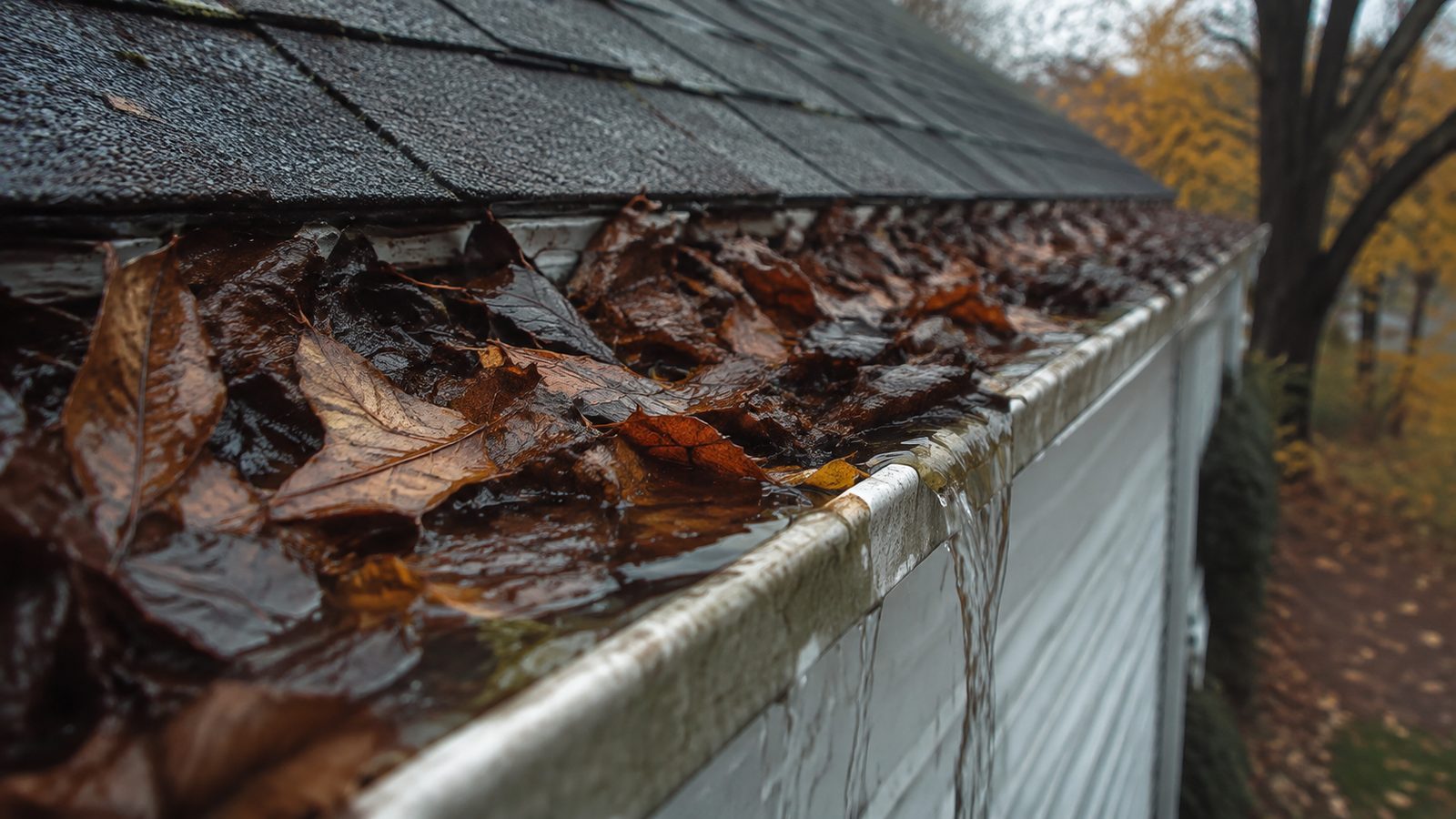
They also don't fix a gutter that was wrong to begin with. If your gutters are undersized for your roof area, pitched badly, or sectional with joints that leak, adding guards puts a lid on the problem instead of solving it. We get calls every fall from homeowners who installed guards and still have water coming over the front. Nine times out of ten the gutter itself was the issue.
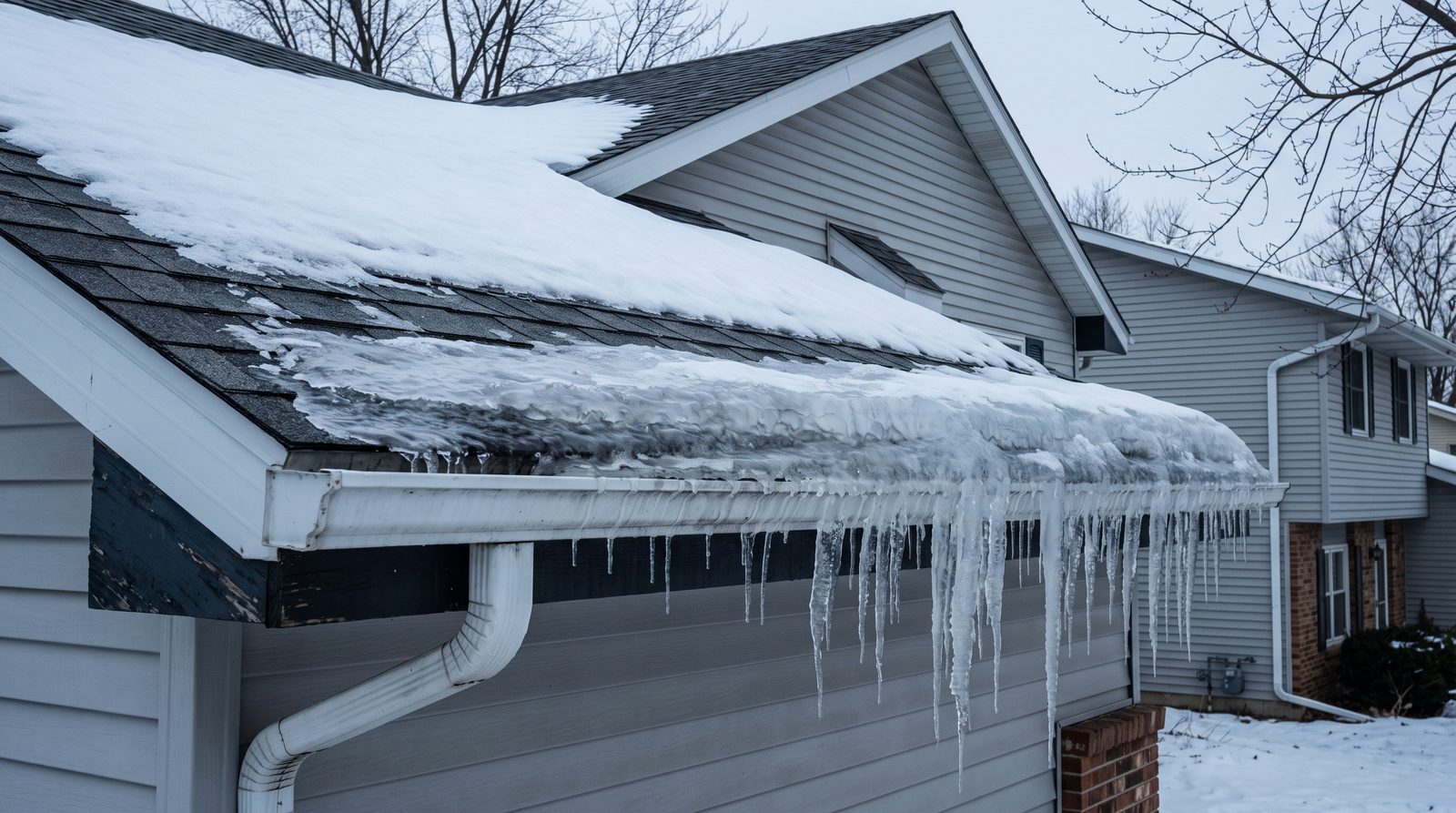
And guards don't prevent ice dams. That's a different problem with a different cause, and any company that tells you otherwise is selling you something.
How Often You'd Be Cleaning Without Them
Two visits a year is the floor for most homes around Fairfield, West Chester, and Mason. One in late spring after the seeds and blossoms finish dropping, and one in mid-to-late November once the leaves are actually down. Rushing that second cleaning in October is a common mistake here, because our oaks and maples hold their leaves into the middle of November and you end up doing it twice.
If you have anything overhanging the roof, make it three or four visits. If you have pines, more. Multiply that by the years you plan to stay in the house and you have the real comparison, not guards versus nothing, but guards versus a bill and a Saturday, over and over, forever.
When Guards Aren't Worth It
There are a few situations where we'll tell you to hold off.
If your existing gutters are sagging, rusting, or pulling away from the fascia, guards are money spent on top of a system that's already failing. Replace the gutters, then guard them.
If your roof is within a couple of years of needing replacement, wait and do both together. The roof edge, drip edge, and gutter all meet at the same few inches of your house, and doing that work in one trip is cleaner and usually cheaper than doing it twice.
And skip the foam inserts and brush inserts entirely. They sit inside the trough and catch debris rather than shedding it, which means you're still cleaning the gutter, only now you have to pull something out first.
What Separates a Guard That Works From One That Doesn't
Three things, and none of them show up in the brochure.
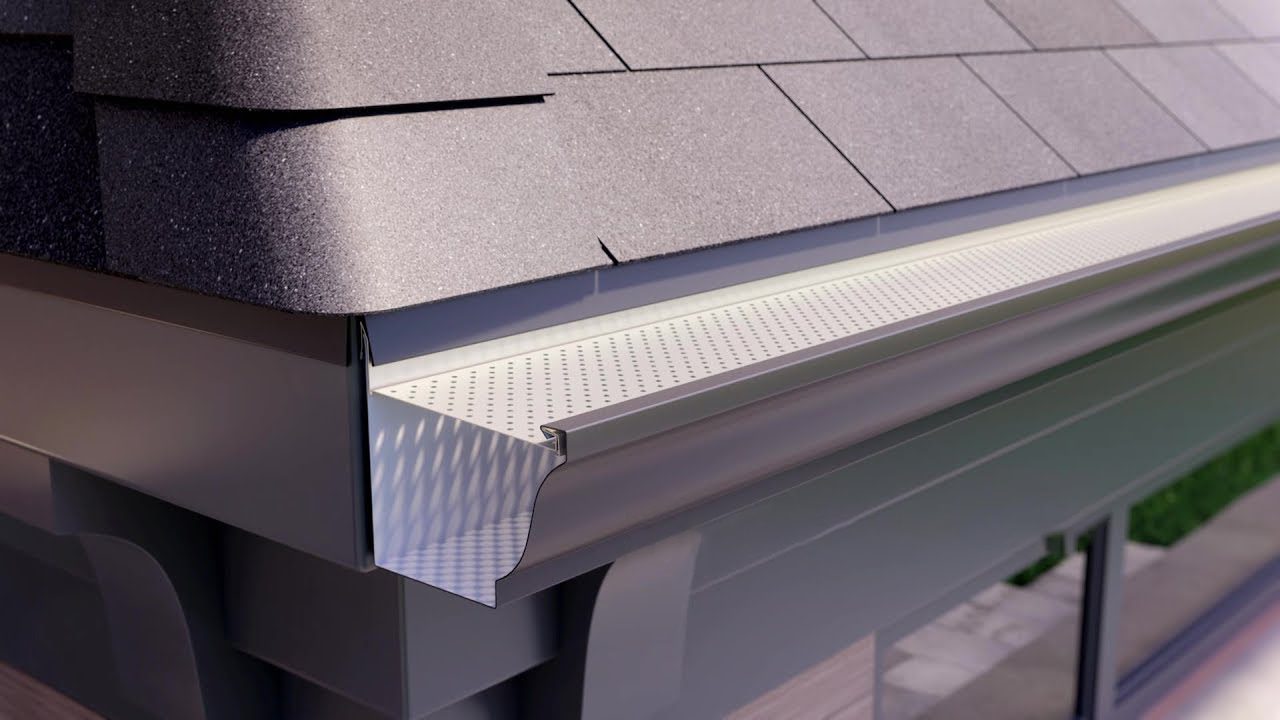
The guard has to match the gutter. We install Leaf Relief as part of a complete seamless system that we form on site to the exact length of each run, with downspouts sized for the roof area feeding them. A guard designed around a properly built gutter behaves differently than one clipped onto whatever was already there.
The install has to respect the roof. Some guards get wedged under the first course of shingles, which can lift them, break the seal, or give your roofing manufacturer a reason to deny a warranty claim later. Ask how the guard attaches before you sign.
And the warranty has to say something specific. "Lifetime" on a gutter guard usually covers the physical product against defects, which is not the thing you're worried about. We back our complete seamless system with guards with a 25-year no-clog warranty, which is a promise about performance rather than materials. We've been putting gutters on Greater Cincinnati homes since 1993, and we'd rather stand behind the water staying where it belongs.
Common Questions About Gutter Guards
Do gutter guards mean I never have to clean my gutters again?
They end the ladder work for you in practice, but a good system still deserves a look once a year, usually from the ground. What guards eliminate is the scooping, the clogged downspouts, and the sludge. What they don't eliminate is the occasional leaf sitting on top of the guard, which is cosmetic and washes off.
How often should you clean gutters if you don't have guards?
Twice a year for most Cincinnati homes, in late spring and again in mid-to-late November after the leaves come down. Homes with branches over the roof need three or four cleanings, and homes with pines need more than that because needles fall year-round.
Will gutter guards stop ice dams?
No. Ice dams form because heat escaping into your attic melts snow on the upper roof and the water refreezes at the cold eave. Guards can't change that, and neither can gutters. The fix is attic air sealing, insulation, and ventilation.
Can I add guards to my existing gutters?
Not with us. We install gutter guards only as part of a complete new seamless system, because a guard is only as good as the gutter under it. Most of the clogging and overflow we see traces back to gutters that are undersized, badly pitched, or leaking at the joints, and installing the whole system together is what lets us back it with a 25-year no-clog warranty.
Is fall a good time to install gutter guards?
Fall is when most people think about it, which makes it our busiest season for gutters. If you want them on before the leaves drop, call in September or early October. Installing after the leaves are down works fine too, it just means one more cleaning first.
Not Sure What Your Gutters Need?
We'll come look, tell you honestly whether a new seamless system with guards makes sense for your house, and give you a number before we leave. Some of these visits end with us telling people their gutters are fine for another few years. That's a real answer too.
Call us at (513) 247-2900 or request your free in-home estimate. Financing starts around $99 a month if you'd rather spread it out, and we'll get back to you within one business day.
Published September 8, 2026. We review these guides each season and update them when local codes, products or our own crews' experience change what we'd tell you.